When it comes to UV LED curing equipment, many people might picture industrial machines in factory workshops, thinking they are a world away from everyday life. But the reality is quite the opposite—from the lamination of smartphone screens to the printing of bank cards, from the light emitted by nail lamps to the coating on furniture surfaces, UV LED curing technology has long permeated every aspect of our daily lives.
Electronics Manufacturing: The “Invisible Glue” Hidden Inside Smartphones and Screens
Take apart a smartphone, and you’ll find that UV adhesives are essential for securing the vast array of internal components. Display module lamination, camera module encapsulation, circuit board protective coatings… all these processes rely on UV-LED curing equipment to achieve precise curing in a matter of seconds. Compared to traditional heat curing, UV-LED cold light sources do not damage heat-sensitive components and offer curing speeds dozens of times faster, making them a standard feature on consumer electronics production lines.
Printing and Packaging: The Shipping Box in Your Hand May Have Just Been “Exposed” to It
Pick up a shipping label, cigarette pack, or cosmetic packaging—the glossy, scratch-resistant UV ink patterns on them are the result of UV LED curing equipment. In the printing industry, UV LEDs have largely replaced mercury lamps in applications such as labels, flexible packaging, and playing card varnishing. The “print-and-dry-instantly” feature eliminates production line downtime and significantly reduces energy consumption.
Medical Field: “Instant Bonding” in Catheters and Syringes
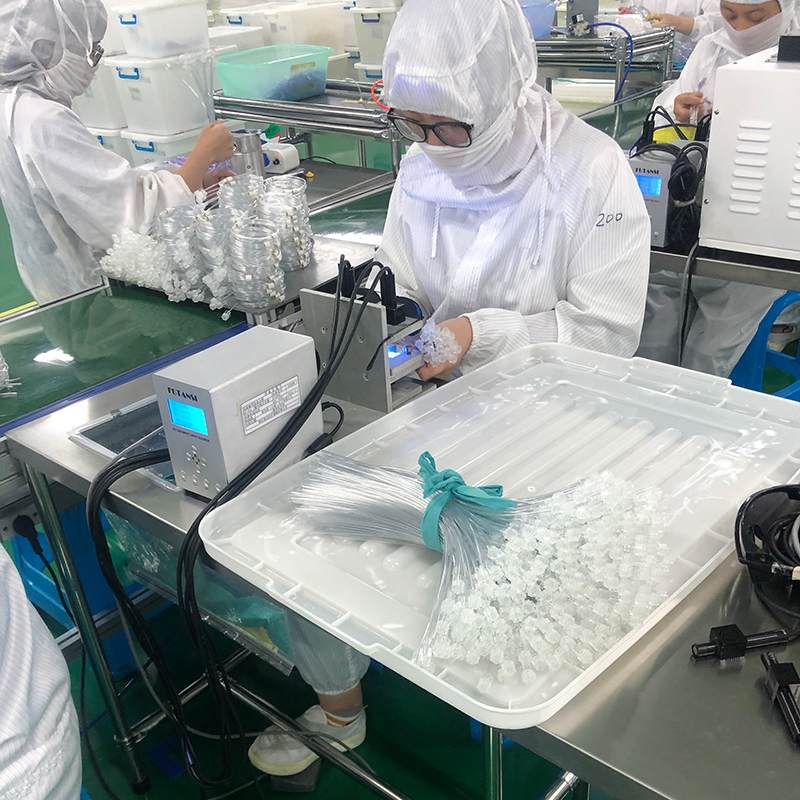
Medical devices demand extremely high standards of cleanliness and consistency. For bonding and securing consumables such as IV tubes, urinary catheters, and syringes, UV adhesives paired with UV-LED spotlights are now widely used. Curing is completed within 1–2 seconds, with no solvent evaporation or thermal deformation, meeting biocompatibility standards. Some dermatological treatment devices also utilize UV-B band LEDs for precise phototherapy.
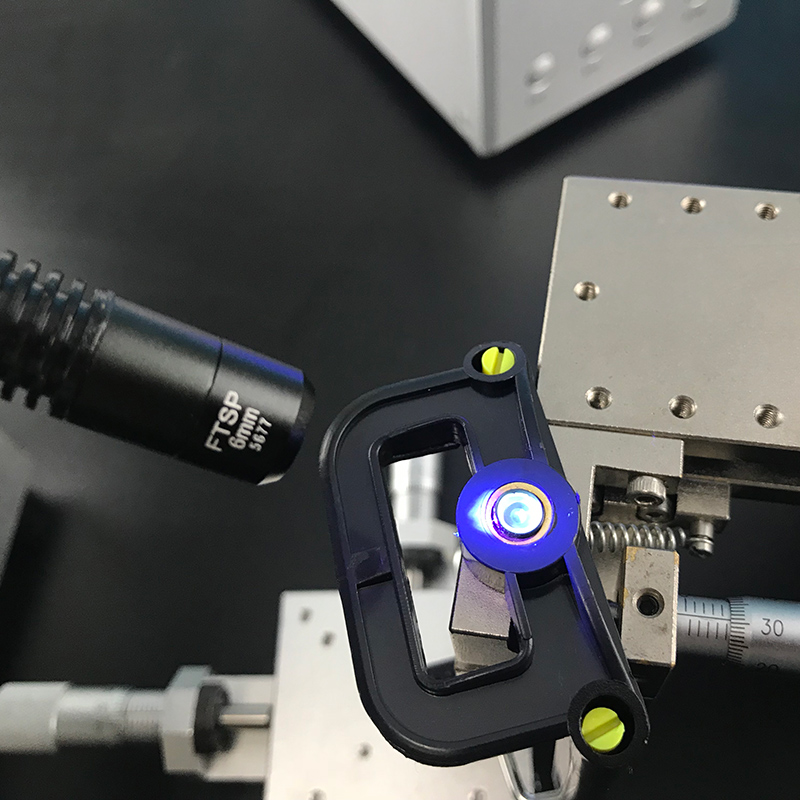
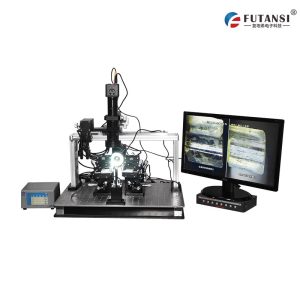
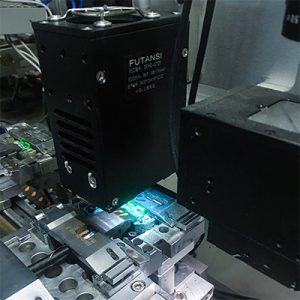
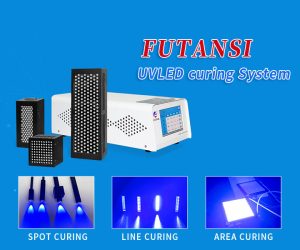
led uv spot curing system
Home and Building Materials: The “Scratch-Resistant Coating” on Floors and Furniture
The smooth, wear-resistant coatings on home hardwood floors, cabinet doors, and automotive interior components are often created through UV-LED curing. Under LED irradiation, UV-curable resins instantly cross-link to form a film that is highly durable and scratch-resistant. Moreover, VOC emissions are significantly lower than those of traditional paints, aligning with current trends toward eco-friendly home living.
Nail Art and Personal Care: The “Curing Lamp” Familiar to Women
When getting a manicure at a salon, the nail technician places your fingers—coated with gel polish—under a small lamp emitting blue-violet light. This is the most common UV-LED application for the general public. A 395nm UV-A light source can cure gel polish in 30–60 seconds. Compared to traditional mercury-based UV lamps, all-LED solutions generate less heat and have a longer lifespan.
From the industrial curing market—which accounts for over 90% of the total—to niche sectors such as healthcare, printing, home furnishings, and consumer electronics, the applications of UV-LED curing equipment continue to expand. As chip efficiency improves and costs decline, this “invisible light” technology is moving from factory floors into a wider range of consumer settings.
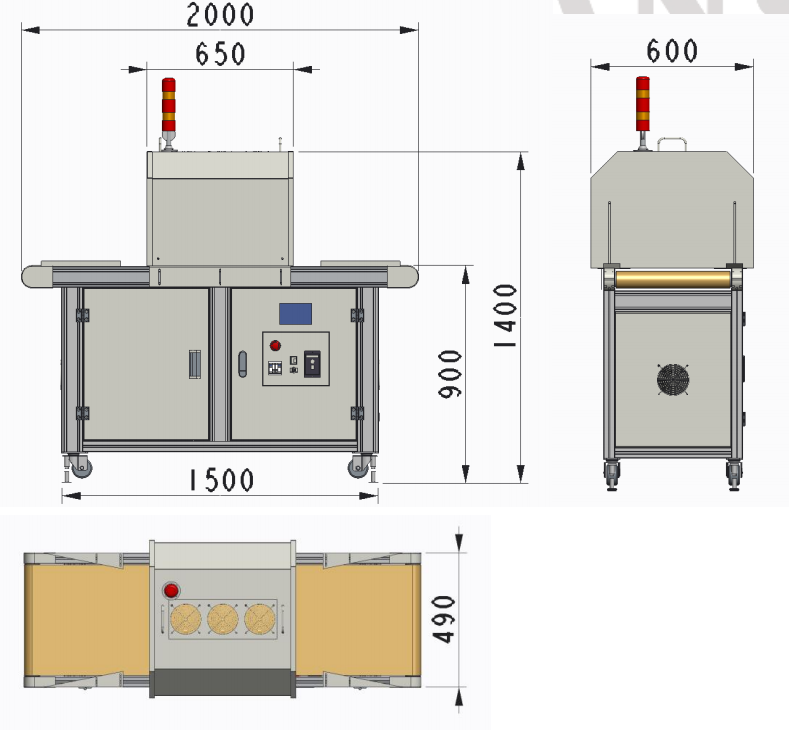
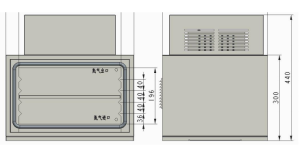
Addressing issues such as incomplete curing caused by oxygen inhibition during traditional UV curing processes, this equipment provides a solution through an inert gas protection approach.
 A professional manufacturer of UVLED curing systems
HelloPlease log in