 A professional manufacturer of UVLED curing systems
Eight irradiation heads UV LED spot curing system
26128 irradiation head UV-LED spotlights are essential tools in industrial applications, providing fast and efficient curing for a range of materials.
View detailsSearch the whole station
Ultraviolet light, a form of energy that is part of the electromagnetic radiation spectrum, exhibits shorter wavelengths than visible light but longer wavelengths than X-rays. This form of energy is usually measured in nanometers (nm) – a unit equal to one billionth of a meter or one thousandth of a micron. Ultraviolet light, spanning between 200-400 nm, consists of three categories: UV-A, UV-B, and UV-C. Natural sources like sunlight radiate UV light, though it’s also produced artificially in numerous systems.
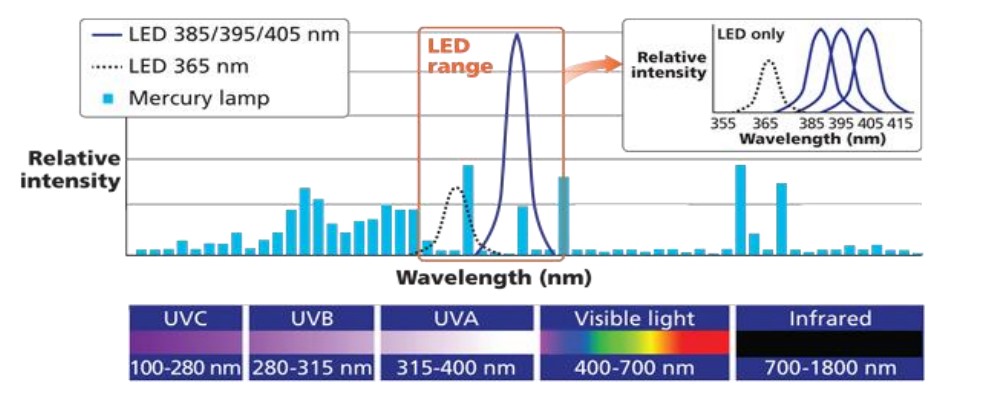
Below is a summary of each category with their distinct attributes and potential advantages and disadvantages:
UV-A
UV-B
UV-C
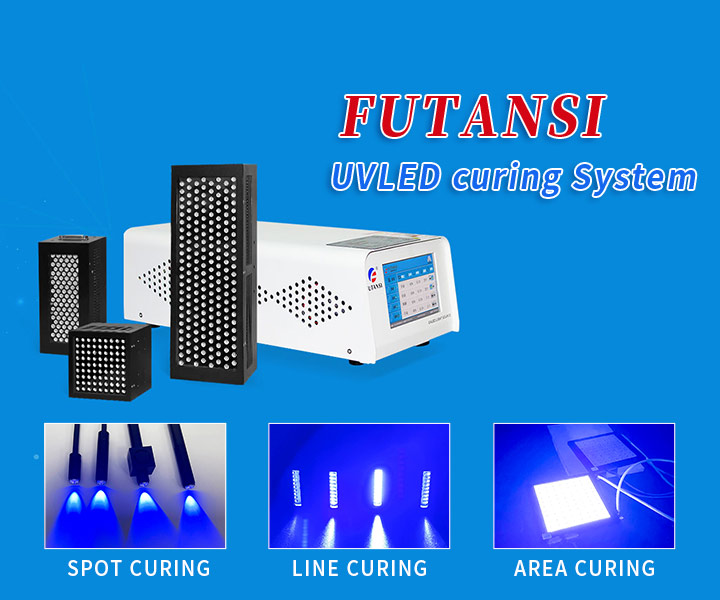
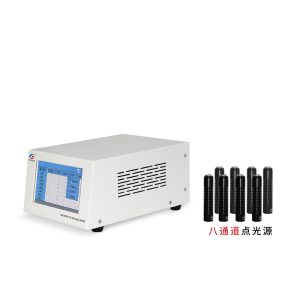
8 irradiation head UV-LED spotlights are essential tools in industrial applications, providing fast and efficient curing for a range of materials.
View details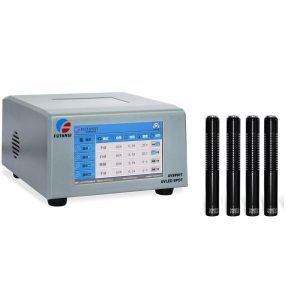
LED UV spot curing system are essential tools in industrial applications, providing fast and efficient curing for a range of materials.
View details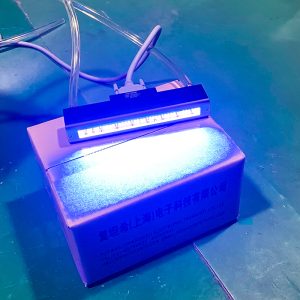
High-energy high-power water-cooled UV LED curing equipment is essential for large-scale industrial applications, providing fast and efficient curing for a range of materials.
View details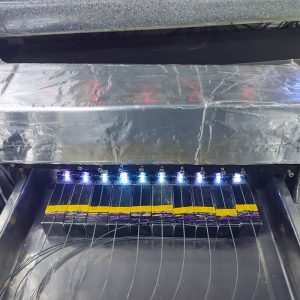
UV curing is a process widely employed in producing passive optical devices such as waveguides, lenses, and optical fibers. It involves the use of UV light to initiate a photochemical reaction in photosensitive materials, transforming them from a ...
View details
HelloPlease log in